
As children grow, many parents notice something subtle but important:
the stroller that once felt essential doesn’t always fit daily outings anymore.
This doesn’t mean the stroller has failed. More often, it means a child’s physical development, independence, and activity level have changed. Understanding how outing needs evolve by age can help parents make more practical, stress-free choices.
Below is a stage-by-stage look at how children’s needs change—and when a stroller may no longer be the most efficient option.
0–6 Months: Strollers Are Essential
In the newborn stage, babies share several clear characteristics:
-
Limited neck and core strength
-
Need for full or near-flat support
-
Short, predictable outings
At this stage, a stroller is the most appropriate and practical solution. It provides:
-
Proper support for a developing spine
-
Stability and safety
-
Ease of movement for caregivers
There’s typically no reason to look beyond a stroller during this period.
6–12 Months: Still Useful, but Needs Begin to Shift
As babies gain strength and awareness:
-
They sit more confidently
-
They stay awake longer during outings
-
They want to see and interact with their surroundings
Strollers are still widely used, but parents may notice:
-
Babies getting restless more quickly
-
More frequent stops to take the baby in and out
-
Storage space starting to feel limited
This stage is less about replacement and more about adjustment.
1–2 Years: Growing Independence Changes the Dynamic
Once toddlers begin walking:
-
They want to explore independently
-
Sitting still becomes less appealing
-
Movement becomes part of play
At this stage, many parents experience a shift:
-
Toddlers want in and out of the stroller repeatedly
-
The stroller becomes a “break spot” rather than a main seat
-
Outdoor and park outings feel less stroller-friendly
A stroller may still work, but efficiency starts to decline, especially during longer or more active outings.
2–4 Years: When Strollers Often Stop Being the Go-To
For many families, this is when strollers gradually fall out of daily use. Children at this age typically:
-
Have stronger endurance
-
Prefer autonomy
-
Resist being restrained
Common challenges with strollers during this phase include:
-
Children refusing to sit
-
Frequent interruptions to movement
-
Parents pushing an empty stroller while carrying bags
Because of this, families often start exploring more flexible outing solutions, especially for:
-
Parks and outdoor activities
-
Travel and day trips
-
Situations that require carrying toys, snacks, or extra clothing
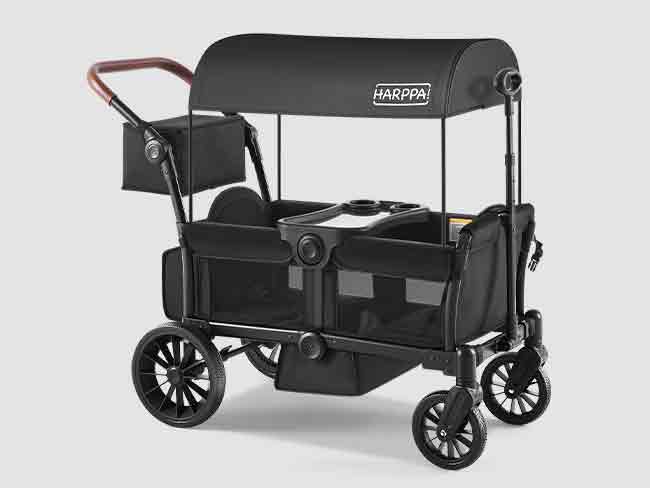
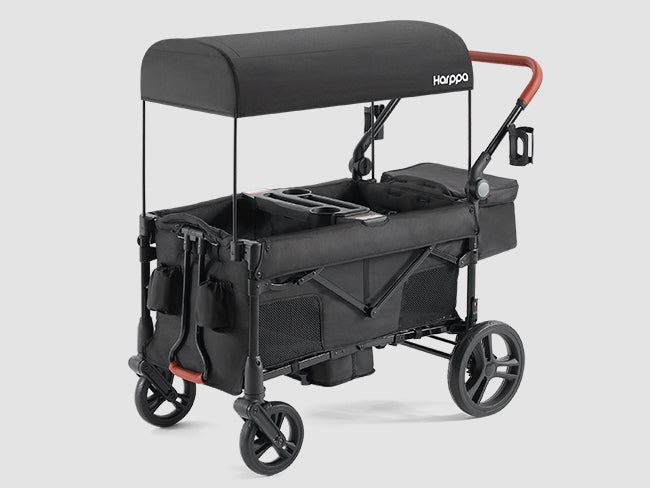
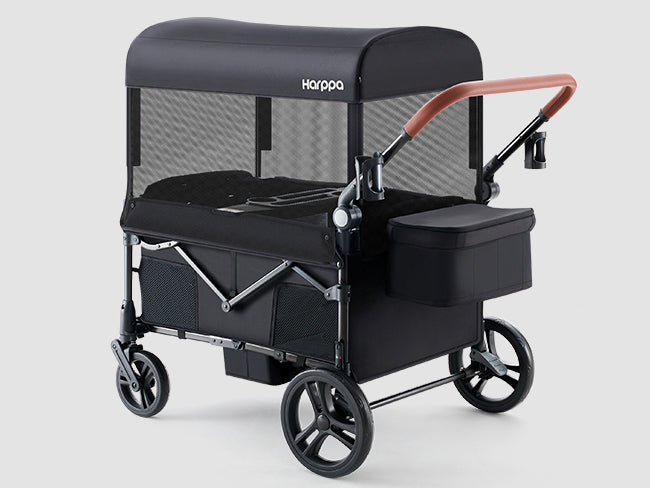
This is where options like a wagon sometimes come into the picture—not as a must-have, but as a response to changing needs and environments.
How to Tell If a Stroller Is No Longer the Best Fit
Rather than focusing strictly on age, consider these practical questions:
-
Does your child ask to get out shortly after sitting down?
-
Are you often pushing the stroller empty?
-
Do you need additional bags because storage feels limited?
-
Are most outings active, outdoor-based, or longer in duration?
If these scenarios sound familiar, it may simply be a sign that your child’s outing needs have evolved.
Final Thoughts: Outing Gear Is Meant to Change
Most parenting gear isn’t designed to last forever—and that’s okay.
Strollers serve an important role early on, but they’re just one phase in a child’s growth journey.
By matching outing tools to your child’s age, ability, and activity level, everyday trips can feel smoother and more enjoyable for both parents and kids.
The goal isn’t to replace what worked before—
it’s to choose what works now.